
Women's running shoes price comparison
10 Sneakers from established makers · Selection index 103.8 +3.8% 7 d · avg €67 · as of 18/10/2026
Price table · 10 Sneakers
 PUM·ELECTRIFPuma Damen Electrify Nitro 4 WN Straßen-Laufschuh€45±0.0%
 ASI·JOLTASICS Jolt 4 Damen Laufschuhe Sneaker Mesh schwarz EU 41,5€45±0.0%
 ADI·SUPERNOVADIDAS Supernova 2 W HR0109 Plumin Blufus Lucfuc Damen€49±0.0%
 NIK·SCHUHENike Schuhe Sport Fitness Freizeit Running Laufschuhe€49±0.0%
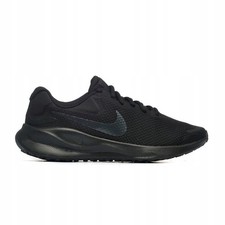 NIK·FB2208FB2208-002 Nike Revolution 7 Freizeitschuhe Damenschuhe€60±0.0%
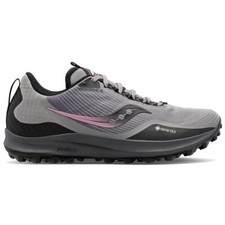 SAU·PEREGRINSaucony Peregrine 12 GTX Damen Laufschuhe Running Schuhe€60−10.4%
 HOK·ONEHOKA ONE Clifton 9 Damen Laufschuhe Mesh atmungsaktiv EU 42€79–
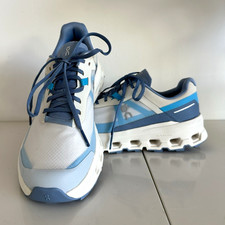 ON·CLOUDVISOn Cloudvista Damen Sneaker Laufschuhe weiß/blau EU 39 UK 6€85±0.0%
 BRO·GHOSTBrooks Ghost 17 Damen Laufschuhe€99±0.0%
 BRO·ADRENALIBrooks Adrenaline GTS 24 Damen Laufschuhe Support Wide D US€99±0.0%
- PUM·ELECTRIFPuma Damen Electrify Nitro 4 WN Straßen-LaufschuhBlack · 38€45±0.0%––
- ASI·JOLTASICS Jolt 4 Damen Laufschuhe Sneaker Mesh schwarz EU 41,5 US 9,5 UKBlack · 41€45±0.0%––
- ADI·SUPERNOVADIDAS Supernova 2 W HR0109 Plumin Blufus Lucfuc Damen, LaufschuheWomen · Supernova€49±0.0%––
- NIK·SCHUHENike Schuhe Sport Fitness Freizeit Running Laufschuhe Wearallday DamenWomen · Laufschuh€49±0.0%±0.0%±0.0%
- NIK·FB2208FB2208-002 Nike Revolution 7 Freizeitschuhe Damenschuhe SportschuheWomen€60±0.0%±0.0%±0.0%9 d
- SAU·PEREGRINSaucony Peregrine 12 GTX Damen Laufschuhe Running Schuhe SportschuheWomen€60±0.0%−10.4%−10.4%19 d
- HOK·ONEHOKA ONE Clifton 9 Damen Laufschuhe Mesh atmungsaktiv EU 42 UK 842 · Women€79–––
- ON·CLOUDVISOn Cloudvista Damen Sneaker Laufschuhe weiß/blau EU 39 UK 6 US 8 LowBlue · 39€85±0.0%––
- BRO·GHOSTBrooks Ghost 17 Damen Laufschuhe – Größe 39– Schwarz/Weiß –ungetragenBlack · 39€99±0.0%––
- BRO·ADRENALIBrooks Adrenaline GTS 24 Damen Laufschuhe Support Wide D US 10,5 EU42 · Women€99±0.0%––
Light, well cushioned and properly shaped: here you'll find women's running shoes from several shops and learn what really matters when buying.
What makes women's running shoes different
Women's models are built on their own lasts: they are usually narrower at the heel, have a different heel-to-forefoot ratio and often a slightly softer cushioning set-up, because average body weight is lower. But that's only an average. If you have wide feet, you can happily wear a men's or unisex model – what matters is that the shoe fits.
What to look out for
These points matter more for comfort than brand or colour:
- Heel hold: your heel must not slip out as your foot rolls through.
- Toe room: about one centimetre of space in front of your longest toe.
- Cushioning: plenty for tarmac and long runs, less for short, fast sessions.
- Upper: breathable mesh for summer, a Gore-Tex membrane (GTX) for wet weather and autumn.
- Tread: smooth sole for roads, aggressive lugs for forest and field paths.
Cheap running shoes – what to watch for
In the comparison you'll find many very cheap, unbranded models. They're often fine as leisure or gym shoes, but for regular running they frequently lack reliable information on drop, foam material and size charts. If you run more than once or twice a week, an entry-level model from an established running brand such as the adidas Duramo or Galaxy, Puma Softride, ASICS or Saucony is worth it. With marketplace offers, check the returns options so you can try the shoe on at home at your leisure.
Converting sizes
Women's running shoes often show US women's sizes on the label. With Nike, ASICS and many other brands, these are 1.5 sizes above the US men's size: US W 8 corresponds to roughly US M 6.5. Measure your foot length in centimetres and use the respective brand's chart – that way you'll avoid buying the wrong size.
Road, trail or gym?
For tarmac and park paths, a classic road running shoe with a smooth, hard-wearing sole is all you need. If you often run on forest floors, gravel or wet autumn leaves, a trail shoe with lugs offers much more grip. Very soft running shoes, on the other hand, are less suitable for the gym: they lack stability for strength training or lateral movements. A flat training shoe is the better choice there. If you want just one pair for everything, a moderately cushioned all-rounder is your best bet.