
Guide
Buying running shoes: how to find the right model
Running shoes look similar, but they differ enormously in cushioning, stability and fit. This guide explains the key terms and helps you choose with confidence.
Updated 7 min readEditorial team wosneaker.de
First question: what do you need the shoe for?
Before looking at brands and models, it's worth thinking about what you'll use the shoe for. If you run five kilometres in the park twice a week, you need different shoes from someone training for a marathon or mostly running on forest trails. Your body weight, running style and any past injuries also play a part.
- Occasional running and everyday wear: a solid entry-level running shoe with medium cushioning.
- Regular training on tarmac: a well-cushioned neutral or stability shoe.
- Speed sessions and racing: a light shoe with responsive foam, possibly a carbon plate.
- Forest, field paths, mountains: a trail shoe with an aggressive tread.
Neutral or stability shoe?
When running, the foot rolls slightly inwards after landing. This pronation is natural and absorbs shock. If the foot rolls in strongly, it's called overpronation. Stability shoes have firmer materials or guidance elements on the inside that are meant to limit this movement. Examples include the ASICS Gel-Kayano and Brooks Adrenaline GTS.
Studies suggest that comfort is a good guide: the shoe that feels pleasant and natural when running is often a better choice than a model that is supposed to "correct" you according to a theory. If you have problems or aren't sure, a gait analysis at a specialist shop or an assessment by a physiotherapist or orthopaedic specialist will help.
Understanding cushioning and foams
The midsole determines how a running shoe feels. Classic EVA foam is light and inexpensive, but loses its springiness over time. More modern foams based on TPU (such as adidas Boost) or PEBA (such as Nike ZoomX) offer more energy return and keep their properties for longer. Many brands now use their own blends, marketed under names such as FF Blast, Fresh Foam, FuelCell or DNA Loft.
More cushioning isn't automatically better. Very soft shoes feel great when you slip them on, but can feel unstable for heavier runners or on uneven ground. Medium cushioning is a good starting point for most recreational runners.
Well-cushioned training shoes
Ad All products linked with "View offer" are commission (affiliate) links: if you buy through them, we earn a commission – the price stays the same for you. As an Amazon Associate and eBay Partner Network affiliate we earn from qualifying purchases. Learn more
 Ad−30%
 Ad
Ad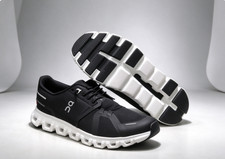 Ad
AdOn Cloudmonster Herren Laufschuhe cloud 6 Low Top Mesh
 Ad
AdHOKA ONE Clifton 9 Damen Laufschuhe Mesh atmungsaktiv EU 42 UK 8
Drop and stack height
The drop is the height difference between heel and forefoot. Classic running shoes have 8 to 12 millimetres, which takes strain off the Achilles tendon and calf and suits heel strikers. Shoes with 0 to 6 millimetres encourage a flatter foot strike but require a careful transition. Stack height describes the total sole height – high values mean lots of material and usually lots of cushioning.
If you switch from a high-drop shoe to a flat model, increase your mileage gradually. Your calves and Achilles tendons need time to adapt.
Carbon plates: who are they worth it for?
Carbon-plated shoes combine a very responsive foam with a stiff plate in the midsole. They're designed for fast races, where they can improve running economy. For slow easy runs and beginners they make little sense: they're expensive, wear out faster and often offer less stability. In the comparison you'll also find very cheap shoes advertising a "carbon plate". Whether carbon is actually used and how stiff the plate is often can't be verified – treat such claims with scepticism.
Fit: length, width, heel
A running shoe should have about one centimetre of space in front of the longest toe, because the foot slides forward and swells when running. This often means half to a full size larger than in everyday shoes. The heel must sit firmly without pinching; if it slips out as you roll through, lacing through the last eyelet often helps (a "runner's loop" or heel-lock lacing).
Width matters too. If a shoe pinches at the sides, a wider model is better than a longer size. Many brands offer popular running shoes in wide versions, marked for example "Wide" or "2E".
Entry-level and all-round running shoes
Ad All products linked with "View offer" are commission (affiliate) links: if you buy through them, we earn a commission – the price stays the same for you. As an Amazon Associate and eBay Partner Network affiliate we earn from qualifying purchases. Learn more
 Ad−27%
 Ad−25%
 Ad−25%
 Ad−43%
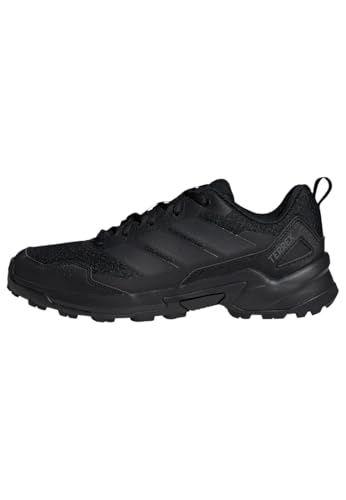
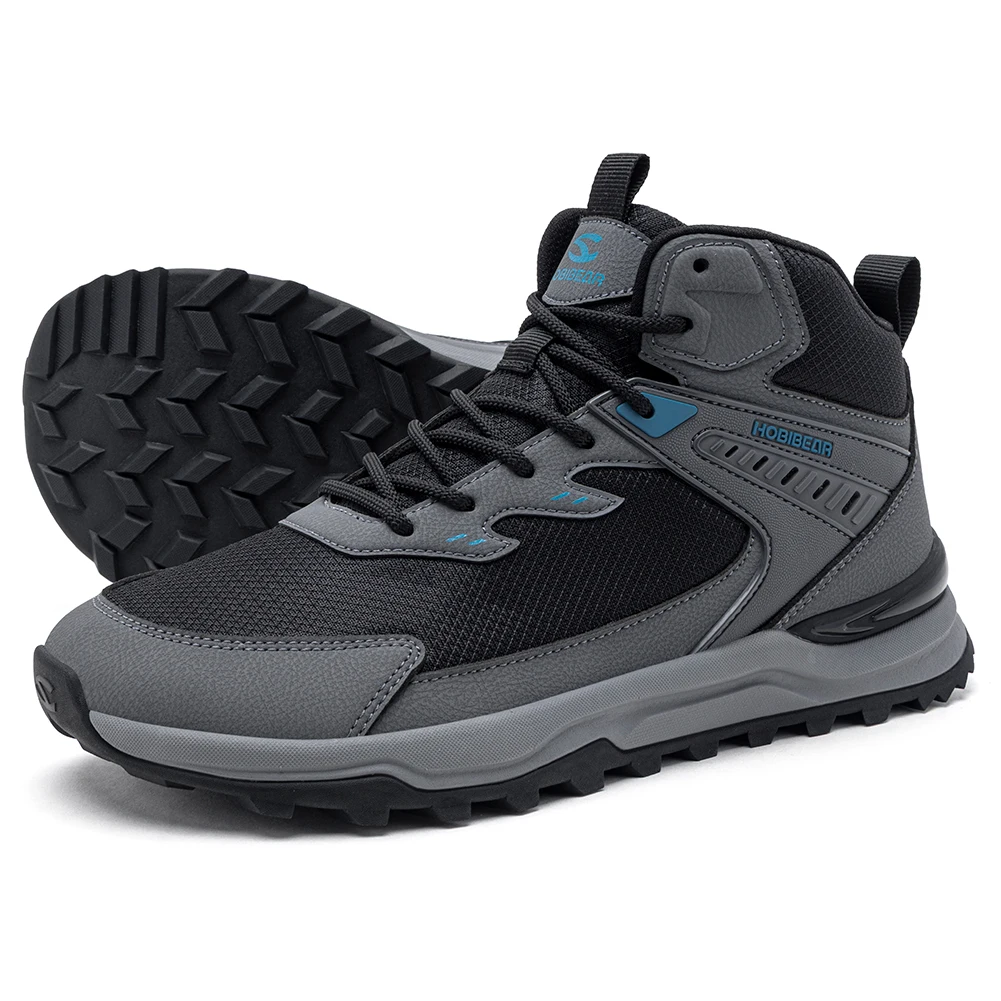
Trail shoes for forest and mountain
Trail shoes have a more aggressive tread with deeper lugs, a sturdier toe cap and often a rock plate. Versions with a Gore-Tex membrane (GTX) keep moisture out, but dry more slowly if water gets in from above. For well-kept park paths, a normal road shoe is usually enough; as soon as it gets muddy, rocky or steep, a trail shoe offers much more grip.
With trail shoes, pay particular attention to a secure heel hold and lacing that locks the midfoot in place – otherwise your foot slides forward on descents. If you often run on technical trails, you'll benefit from a slightly lower, more stable sole, as it gives more ground feel and makes rolling your ankle less likely. For long runs on mixed terrain there are hybrid models with a moderate tread that remain comfortable on tarmac sections too.
Trail and all-weather running shoes
Ad All products linked with "View offer" are commission (affiliate) links: if you buy through them, we earn a commission – the price stays the same for you. As an Amazon Associate and eBay Partner Network affiliate we earn from qualifying purchases. Learn more
 Ad−25%
 Ad−25%
 Ad
Ad Ad
AdDurability and when to buy
As a guide, running shoes last 600 to 1,000 kilometres. Lightweight racing shoes often come in below that, sturdy training shoes above. Look out for a visibly compressed midsole, worn tread at the heel and ball of the foot, and new aches. If you run a lot, rotate between two pairs – it spares the foam and gives you variety.
Brands usually release a new version of their running shoes every year. The previous model then often becomes cheaper, even though the differences are limited. If a model suits you, it's worth keeping an eye on the price history for the previous version.
Upper, weight and sustainability
The upper affects hold and climate inside the shoe. Tightly woven mesh is breathable and light; knitted uppers ("knit") hug the foot like a sock but sometimes give less lateral support. For autumn and winter, water-repellent versions or models with a membrane are more comfortable. You mainly notice a running shoe's weight on fast sessions and long distances – for easy runs it matters less than fit and cushioning.
Many brands now use recycled materials in the upper and sole. The biggest sustainability gain, though, comes from using shoes for as long as the cushioning allows and reusing worn-out pairs as everyday or garden shoes.
Breaking in and care
Modern running shoes hardly need breaking in. Even so, it makes sense to test new pairs on shorter runs first before taking them on a long run. Clean dirty shoes with lukewarm water and a soft brush, take out the insole to dry and stuff wet shoes with newspaper. Radiators, tumble dryers and washing machines damage glue and foam and shorten the lifespan.
For beginners: a realistic start
If you're just starting to run, you don't need a top-of-the-range model. A comfortable, moderately cushioned neutral shoe from an established brand is perfectly adequate. More important than the technology is starting slowly: alternate running and walking, two to three sessions a week, with enough rest in between. That way your muscles, tendons and joints get used to the new load.
After a few months you'll know better what matters to you – more cushioning for longer distances, a lighter shoe for faster sessions or a trail shoe for the forest. That's when it's worth buying a second pair with a clear purpose. Previous-year models are often an affordable way to get high-quality technology.
FAQ
Do I need a gait analysis?
Not necessarily. For beginners without problems, a comfortable neutral shoe is often enough. If you're in pain or unsure, an analysis at a specialist shop or a medical assessment will help.
How much bigger should a running shoe be?
About one centimetre longer than your foot, which often means half to a full size larger than your everyday shoes.
Are carbon running shoes a good idea for beginners?
Not really. They're designed for fast races, wear out faster and often offer less stability than normal training shoes.
When do I need to replace my running shoes?
As a guide, after 600 to 1,000 kilometres, or when the midsole and tread are clearly worn or new aches appear.
Can I run on tarmac in trail shoes?
Yes, but the aggressive tread wears faster on tarmac and feels less smooth. If you mostly run on roads, a road running shoe is better.