
Men's running shoes price comparison
27 Sneakers from established makers · Selection index 114.8 +0.9% 7 d · avg €86 · as of 18/10/2026
Price table · 27 Sneakers
 ADI·GALAXYadidas Herren Galaxy 8 Running Shoes€40−0.7%
 ADI·RUNFALCOadidas Herren Runfalcon 6 Shoes, Core Black/FTWR White€45+21.3%
 ADI·RUNFALCOadidas Herren Runfalcon 6 Shoes€45±0.0%
 ADI·RUNFALCOadidas Herren Runfalcon 6 Shoes€34+8.6%
 ADI·LITEadidas Herren Lite Racer 4.0 Shoes€41±0.0%
 ADI·RUNFALCOadidas Herren Runfalcon 5 Running Shoes€42−10.9%
 ASI·GELASICS Herren Gel-Cumulus 28 Sneaker, Black Carrier Grey€105±0.0%
 ADI·RUNFALCOadidas Herren Runfalcon 6 Shoes€49±0.0%
 NIK·PEGASUSNike Pegasus Herren Sneaker Laufschuh Mesh Low Top Weiß/Grau€60±0.0%
 ASI·GELASICS Gel-Contend 10 Laufschuh€60±0.0%
 NIK·AIRNike Air Max Flyknit Air Zoom Herren Sneaker Low Top€70±0.0%
 ADI·DURAMOadidas Duramo SL2 M Herren Laufschuhe Mesh atmungsaktiv€70±0.0%
 SAU·LAUFSCHUSaucony Laufschuhe Ride 17 Herren Gr. 47€75±0.0%
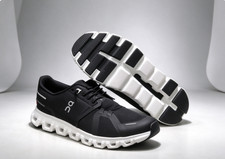 ON·CLOUDMONOn Cloudmonster Herren Laufschuhe cloud 6 Low Top Mesh€77±0.0%
 MIZ·RACERMizuno Racer V2 Black 43EU Unisex Laufschuhe atmungsaktiv€90±0.0%
 NIK·VOMERONike Vomero 18 Zoom X White Black Slate Running Herren NEU€95–
 NIK·VOMERONike Vomero Plus EU 44 Jade Horizon Black Sail NEU TOP€95–
 NIK·ZOOMXNike Zoomx Dragonfly 2 Oly - Größe EU 37,5 #12979€95–
 NIK·VOMERONike Vomero Plus ZoomX Herren Laufschuhe Blau/Grau EU 45,5€95−9.5%
 NEW·BALANCENew Balance 860 Fresh Foam Herren Laufschuhe€104±0.0%
 BRO·GLYCERINBrooks Glycerin Herren Laufschuhe Low Top Mesh Schnürung€130±0.0%
 BRO·GHOSTBrooks Ghost 18 Laufschuh | Running Shoe€128−1.5%
 BRO·RUNNINGSBrooks Runningschuhe Erwachsene in schwarz€130±0.0%
 BRO·RUNNINGSBrooks Runningschuhe Erwachsene in grün€140±0.0%
 ASI·GELASICS Gel-Excite 11 Laufschuh€81±0.0%
 BRO·GLYCERINBrooks Glycerin 23 Laufschuh€174+1.4%
 BRO·GLYCERINBrooks Glycerin GTS 23 Laufschuh€160±0.0%
- ADI·GALAXYadidas Herren Galaxy 8 Running Shoes, core Black/FTWR White/CarbonBlack · 43€40−10.2%−0.7%+9.3%
- ADI·RUNFALCOadidas Herren Runfalcon 6 Shoes, Core Black/FTWR White, 43 1/3 EUBlack · 43€45+12.5%+21.3%+21.3%10 d
- ADI·RUNFALCOadidas Herren Runfalcon 6 Shoes, Grey Two/Dark Blue/Core Black, 42 EUBlack · 42€45±0.0%––
- ADI·RUNFALCOadidas Herren Runfalcon 6 Shoes, Dark Blue/FTWR White/Core BlackBlack · 44€34±0.0%+8.6%+8.6%13 d
- ADI·LITEadidas Herren Lite Racer 4.0 Shoes, Core Black/Cloud White/Grey FiveBlack · 46€41±0.0%––
- ADI·RUNFALCOadidas Herren Runfalcon 5 Running ShoesBlack · 44€42−6.9%−10.9%+4.8%
- ASI·GELASICS Herren Gel-Cumulus 28 Sneaker, Black Carrier Grey, 44 EUBlack · 44€105±0.0%––
- ADI·RUNFALCOadidas Herren Runfalcon 6 Shoes, FTWR White/Core Black/Grey OneBlack · 43€49±0.0%±0.0%+22.5%
- NIK·PEGASUSNike Pegasus Herren Sneaker Laufschuh Mesh Low Top Weiß/Grau SchnürungGrey · Men€60±0.0%––
- ASI·GELASICS Gel-Contend 10 LaufschuhYellow · 44€60±0.0%––
- NIK·AIRNike Air Max Flyknit Air Zoom Herren Sneaker Low Top Schnürung EU 4646 · Men€70±0.0%––
- ADI·DURAMOadidas Duramo SL2 M Herren Laufschuhe Mesh atmungsaktiv blau/weiß EUBlue · 44€70±0.0%––
- SAU·LAUFSCHUSaucony Laufschuhe Ride 17 Herren Gr. 4747 · Men€75±0.0%––
- ON·CLOUDMONOn Cloudmonster Herren Laufschuhe cloud 6 Low Top MeshMen · On Cloud€77±0.0%––
- MIZ·RACERMizuno Racer V2 Black 43EU Unisex Laufschuhe atmungsaktiv Low TopBlack · Unisex€90±0.0%––
- NIK·VOMERONike Vomero 18 Zoom X White Black Slate Running Herren NEU TOP LaufenBlack · 44€95–––
- NIK·VOMERONike Vomero Plus EU 44 Jade Horizon Black Sail NEU TOP HerrenBlack · 44€95–––
- NIK·ZOOMXNike Zoomx Dragonfly 2 Oly - Größe EU 37,5 #1297937€95–––
- NIK·VOMERONike Vomero Plus ZoomX Herren Laufschuhe Blau/Grau EU 45,5 HV8150-405Grey · 45€95±0.0%−9.5%−4.0%
- NEW·BALANCENew Balance 860 Fresh Foam Herren Laufschuhe Grau/Orange/Blau EU 42,5Grey · 42€104±0.0%±0.0%±0.0%7 d
- BRO·GLYCERINBrooks Glycerin Herren Laufschuhe Low Top Mesh Schnürung Blau/OrangeBlue · Men€130±0.0%±0.0%±0.0%7 d
- BRO·GHOSTBrooks Ghost 18 Laufschuh | Running ShoeBrooks Ghost · Laufschuh€128−1.5%−1.5%−1.5%10 d
- BRO·RUNNINGSBrooks Runningschuhe Erwachsene in schwarzBlack · 44€130±0.0%––
- BRO·RUNNINGSBrooks Runningschuhe Erwachsene in grünGreen · 44€140±0.0%––
- ASI·GELASICS Gel-Excite 11 LaufschuhYellow · 43€81±0.0%––
- BRO·GLYCERINBrooks Glycerin 23 LaufschuhBlack · 43€174±0.0%+1.4%−1.4%10 d
- BRO·GLYCERINBrooks Glycerin GTS 23 LaufschuhWhite · 45€160±0.0%––
From entry-level running shoes to well-cushioned trainers: here you can compare running shoes from well-known brands and find out which features suit your running style.
Which type of running shoe suits you?
Running shoes fall roughly into three groups. Neutral shoes are designed for runners whose foot doesn't roll inwards excessively on landing – that's the majority. Stability shoes (e.g. ASICS Kayano, Brooks Adrenaline) have a firmer medial side and are meant to limit strong overpronation. Trail shoes have an aggressive tread and often a rock plate for forest paths.
Entry-level and all-round models such as the adidas Runfalcon, Nike Revolution or ASICS Gel-Contend are suitable for occasional runs and everyday wear. If you run several times a week, you'll benefit from models with higher-quality foam such as the Nike Pegasus, ASICS Nimbus or New Balance Fresh Foam.
Cushioning, drop and weight
The drop is the height difference between heel and forefoot in millimetres. Classic running shoes sit at around 8–12 mm, which takes strain off the Achilles tendon and calf. Low-drop models (0–6 mm) encourage a midfoot or forefoot strike but need a period of adjustment. Plenty of cushioning is pleasant on tarmac and on long runs, but often makes the shoe heavier.
- Heavier runners usually benefit from more cushioning and a stable sole.
- For speed work, light shoes with responsive foam make sense.
- Carbon-plated shoes are designed for racing, not for every training run.
Finding the right size
Running shoes should have about a thumb's width – roughly one centimetre – of space at the front, because the foot slides forward and swells while running. Measure your foot length in the afternoon or evening and compare it with the manufacturer's chart. Many runners wear half to a full size larger in running shoes than in everyday shoes. Pay attention to width too: some brands offer models in "Wide" (2E).
When is it time for new running shoes?
As a rough guide, 600 to 1,000 kilometres, depending on body weight, surface and foam material. Signs include a visibly compressed midsole, worn-down tread and new aches in the knee or shin. Regular runners often rotate between two pairs so the foam can recover between runs.
Buying online: how to go about it
If you already know a model and it fits you, buying online is straightforward – just check whether the new version fits differently. For a new model, ideally order from a commercial retailer with a returns policy, try the shoe on at home on carpet and jog on the spot for a few minutes. If it pinches even then, it won't get better on a run.